ServicesSurface Prep and Sanding
Surface Preparation and Sanding in Mineola
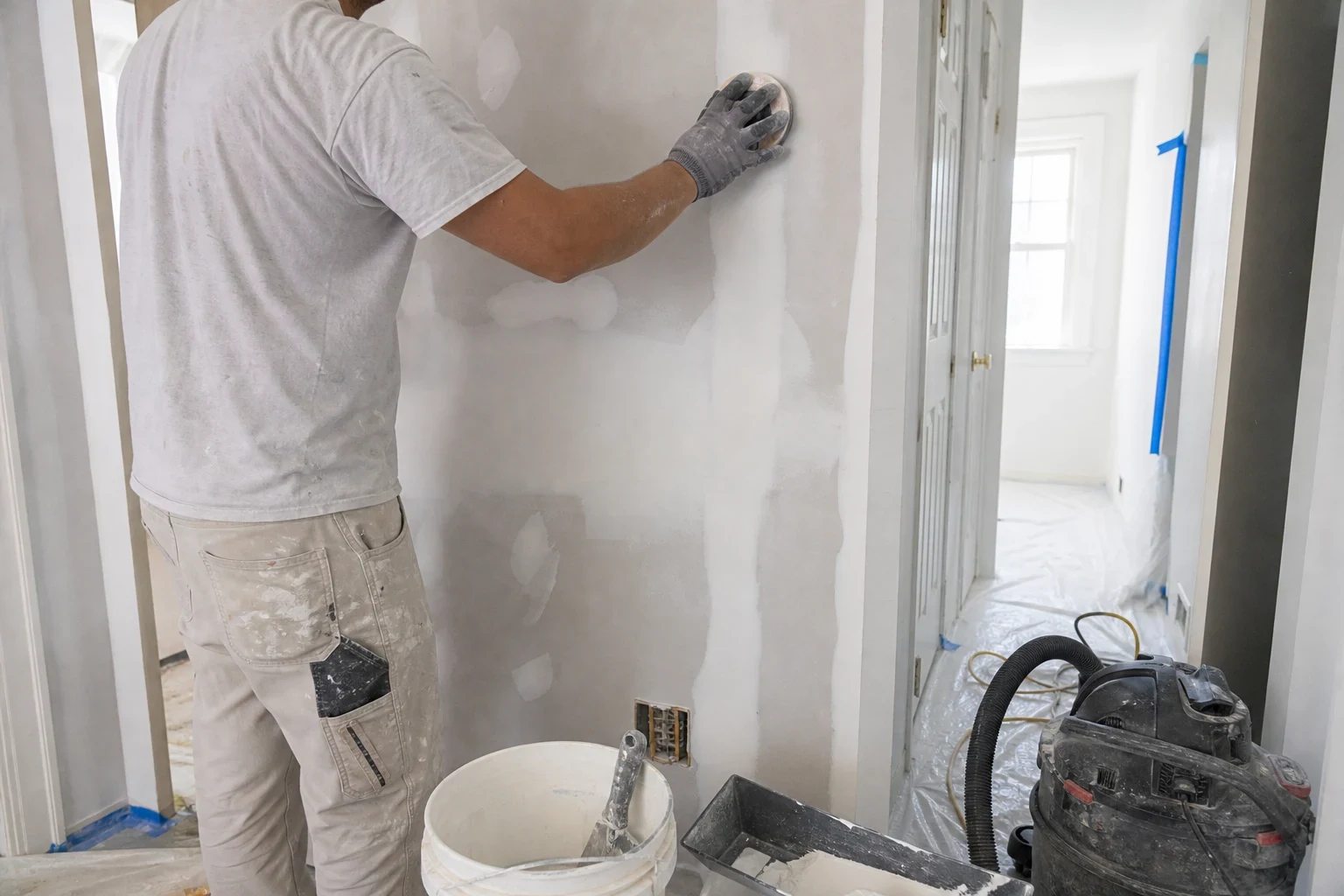
New paint highlights every dent, seam and old patch beneath it. We fill holes, flatten ridges left by earlier repairs, skim rough areas and sand walls and ceilings smooth while your rooms stay covered and the dust stays contained. One small crew sees your job through from first look to final wipe-down.
Getting Walls Ready So the Finish Looks Right
Most of a good-looking wall happens before any paint goes on. Nail pops, old anchor holes, crayon gouges, raised tape seams and the lumpy edges of past repairs all show through new color, especially on flat or eggshell finishes with light coming across them from a window.
Surface preparation is the work that fixes that. We clean, fill, skim where needed and sand until the wall reads as one even plane. Then we spot-prime the repaired areas so they take paint the same way as the rest of the surface instead of flashing dull or shiny.
We keep the crew small on purpose. The person who checks your walls on the first visit is the person sanding them, so nothing gets lost between an estimator and an installer, and you always know who is in your home.
What Our Prep and Sanding Work Covers
Room protection first
We move or cover furniture, lay drop cloths on floors and tape plastic over doorways and vents. Outlet and switch covers come off so we can work cleanly around them.
Filling holes and dents
Nail holes, anchor holes, door-knob dents and small gouges get filled with joint compound, often in two passes because compound shrinks as it dries.
Flattening old repairs
Past patches often leave a raised hump or a visible square outline. We feather those out with wider coats and sand them back so the edge disappears.
Skim coating rough areas
Where a wall has torn paper, peeled paint or a patchwork of fixes, a thin skim coat over the whole area gives us a fresh, even surface to sand.
Dust-controlled sanding
We use sanders connected to a vacuum and finish by hand in corners and along trim. It keeps the fine dust down far better than open sanding, though we still seal off the room.
Spot priming and inspection
Repaired spots get primer so they do not show through paint. We check the wall with a work light held low at an angle, which reveals ridges your eye would miss in normal light.
Signs Your Walls Need Prep Before New Paint
Patches you can still see
If earlier repairs show up as shiny squares or raised outlines, they were never feathered and primed properly. Painting over them again will not hide them.
Lines along the seams
Tape joints that show as ridges or faint stripes usually need another coat of compound and a careful sanding.
Rough or bumpy texture
Drips, roller stipple and grit trapped under old paint layers make a wall feel sandpapery. Sanding and a skim coat bring it back to smooth.
Peeling or bubbling paint
Loose paint has to come off before anything goes over it. We scrape it back to a sound edge, then fill and sand the step so it does not telegraph.
A wall full of small holes
Moving out of a room, swapping shelves or taking down a gallery of frames can leave dozens of holes. That is a quick, satisfying prep job.
How a Prep and Sanding Day Goes
- 1
A walk-through and an estimate
We look at the walls and ceilings with you, point out what we see in raking light and explain what each area needs. You get a written estimate that lists the rooms and the work.
- 2
Setting up a clean work area
On the work day we protect floors, furniture and doorways before any compound is opened. If you are staying home, we plan around the rooms you need to use.
- 3
Fill, dry, sand, repeat
Compound goes on in thin coats and needs time to dry between them, so deeper repairs or skim coats can run over more than one visit. The same people come back each time and pick up exactly where they left off.
- 4
Prime and check
We spot-prime the repairs and go over every wall again with a light at a low angle. Anything that still shows gets one more touch.
- 5
Cleanup before we leave
Plastic comes down carefully, we vacuum the room and wipe dust off sills and trim. The wall is then ready for paint, or for a paint touch-up if you have leftover color.
What Moves the Cost of Surface Prep
Nearly all of the cost comes down to time: hands on the wall and hours waiting for compound to dry. A room with a few nail holes is a short visit, while walls that need a full skim coat take more material and more trips. We price each job after seeing it, and the written estimate spells out what is included.
- Condition of the surface
- A handful of small holes costs far less than a wall with torn paper, old water stains or layers of uneven repairs that need a skim coat.
- Square footage and ceilings
- More wall area means more compound and sanding. Ceilings take longer per square foot because the work is overhead and on ladders.
- Existing paint
- Glossy or peeling paint needs extra scraping or a bonding primer so compound and new paint hold properly.
- Number of visits
- Deep fills and skim coats need drying time between coats. Jobs that require several return trips cost more than work finished in a single day.
- Furnished or empty rooms
- Empty rooms are faster to protect and work in. Full rooms need more moving and covering, which adds time.
Questions About Surface Prep and Sanding
Something not covered here? (516) 973-0369
How messy is sanding drywall inside my home?
Drywall dust is very fine, so we take it seriously. We seal doorways and vents with plastic, use vacuum-connected sanders and clean up at the end of each day. You may still see a light film in the work room, but it should not spread through the house.
Can I paint right after you finish?
Yes, once the primer is dry the walls are ready for paint, usually the same day or the next. We let you know before we leave if any spot needs more drying time.
Do I need a skim coat or just patching?
If the problems are scattered holes and dents, patching and sanding is enough. If the whole wall is rough, has torn paper or shows many old repairs, a skim coat gives a more even result than chasing dozens of spots. We show you the difference in light during the walk-through.
My older home has plaster walls. Can you still prep them?
Many homes around Mineola have plaster in some rooms and drywall in others. We can fill and skim sound plaster, and we will tell you plainly if a section is loose and needs wall repair before prep makes sense.
Will the same people come back for every visit?
Yes. We are a small crew, and whoever starts your job finishes it. That means nobody has to relearn which spots needed extra coats or how you want the rooms left at the end of the day.
Ready for Walls That Paint Smoothly
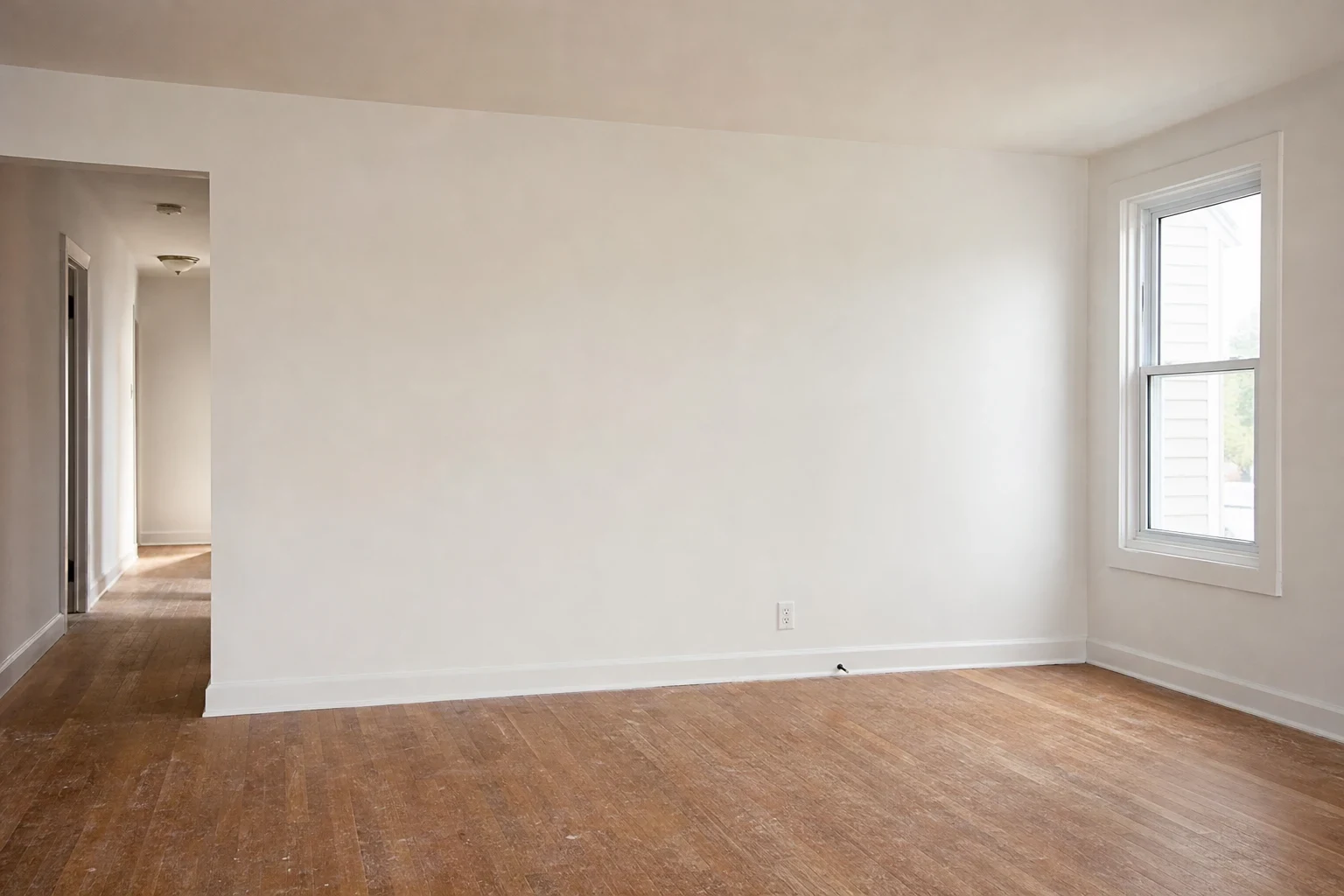
Let us know which rooms you are preparing and what shape the walls are in today. We will arrange a visit to look them over in good light and give you a clear written estimate.