ServicesDrywall Hanging
Drywall Hanging in Mineola
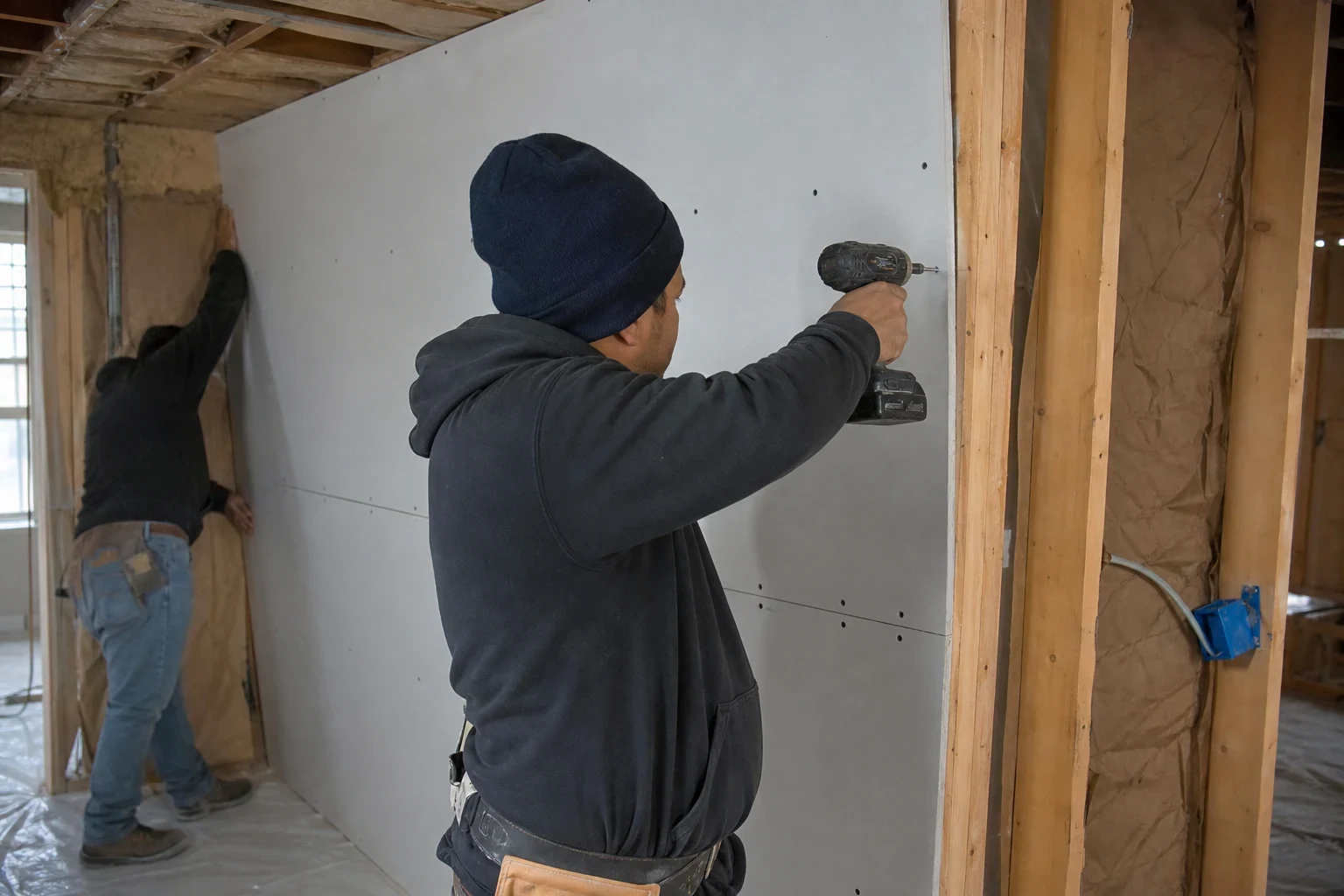
We hang new drywall for basement finishes, remodels, additions and walls that have to come down to the studs. The same small crew measures the room, hangs the board and stays through taping, so the people who start your job are the ones who finish it.
When new drywall is the right call
Hanging drywall means fastening full sheets of gypsum board to studs or ceiling joists, then taping and finishing the joints so the room is ready for primer and paint. It makes sense when you are finishing a basement or attic, building a new wall, closing up after an electrician has opened things up, or replacing a section too damaged for a patch to hold.
If the damage is a hole or a crack, a full rehang is usually more than you need, and we will tell you so. Our Drywall Patching and Drywall Repair pages cover those smaller jobs.
We keep our crew small on purpose. The person who walks your rooms and measures for board is on site when the sheets go up. That means fewer handoffs, fewer mix-ups about where outlets go, and one familiar face in your home for the length of the job.
What our drywall hanging covers
- Measuring and sheet layout
- We plan where every sheet lands so butt joints stay off the middle of walls and away from door and window corners, where cracks like to start. Fewer seams means less compound and a flatter wall.
- Board matched to the space
- Most walls get regular half-inch sheets. Bathrooms and basements get a type built to resist moisture, and we use fire-rated sheets wherever code requires them, for example on a garage ceiling that sits below a bedroom.
- Screwed to the framing
- Sheets go up with screws set just below the paper face on a steady pattern. Screws hold better than nails and are far less likely to pop later. Ceilings go up first so the wall sheets support their edges.
- Clean cutouts
- We mark and cut openings for outlets, switches, vents and recessed lights before each sheet goes up, so the gaps are tight and cover plates sit flat.
- Tape, bead and finishing
- Joints get tape and several coats of compound, outside corners get bead, and everything is sanded smooth. Our Drywall Finishing page explains each coat in more detail.
- Protection and cleanup
- We cover floors and nearby furniture before we start. Scrap board, dust and empty buckets leave with us, and we sweep and vacuum the room before heading out each evening so you can walk through it without tracking dust around the house.
Signs your project needs new drywall
Bare studs in a basement or attic
Exposed framing and insulation are the clearest sign. New board turns that space into a real room you can use.
Water damage that went deep
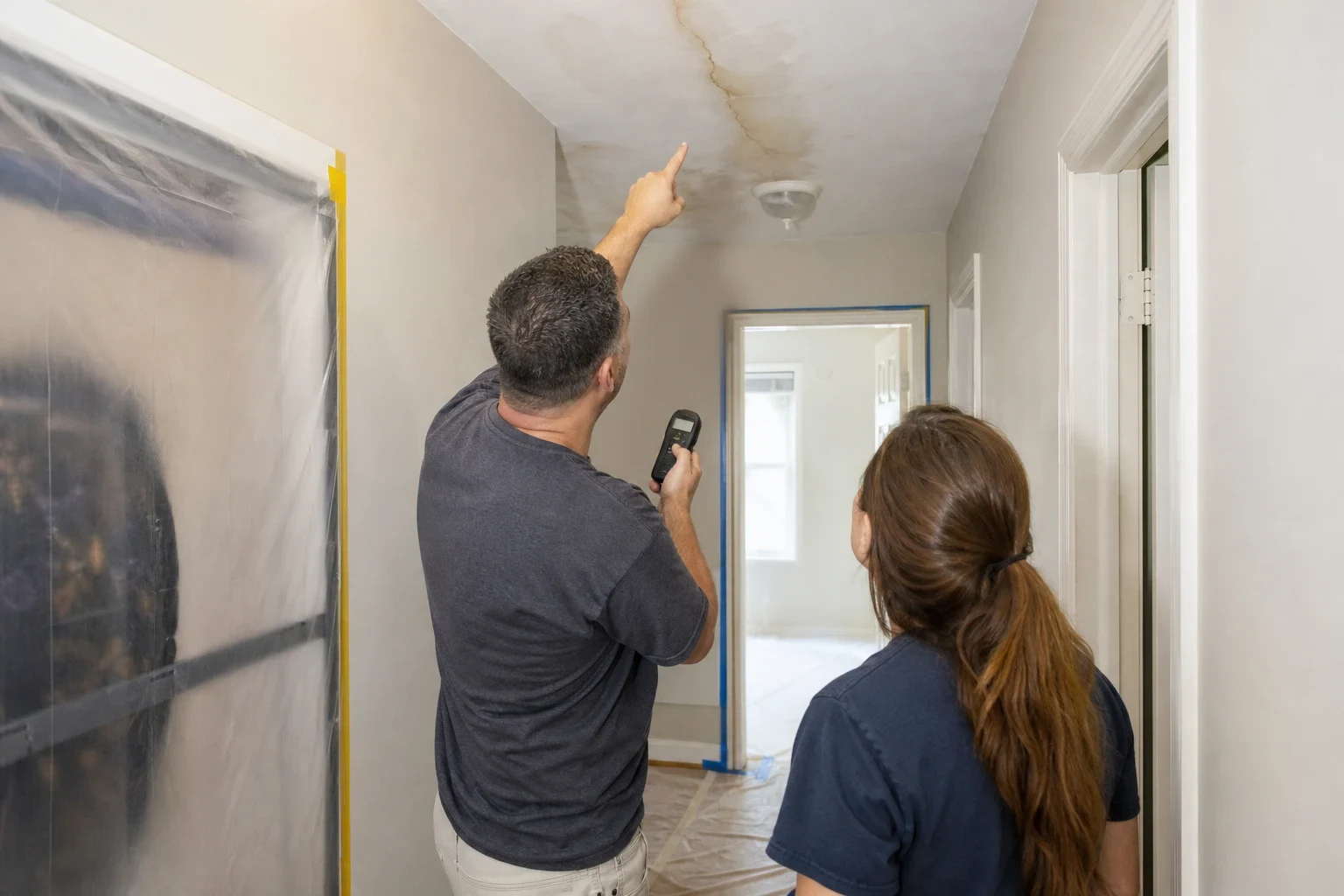
Once a leak has been fixed, board that stays soft, crumbles or keeps showing stains needs to come out. Patching over it only hides the problem.
Walls opened for a remodel or wiring
When a kitchen update or new wiring leaves large sections open, hanging fresh sheets is faster and flatter than piecing it back together.
Failing plaster
Many older homes around Mineola still have plaster over wood lath. When it cracks, sags or pulls away, new drywall often costs less over time than patching it again and again.
Patches that keep failing
If the same spot has been patched three or four times and the cracks come back, replacing the section gives you a sound wall.
How a drywall hanging job runs
- 1
A phone call to start
Tell us about the room, its rough size and what is on the walls now. We ask a few questions and set a time to come measure.
- 2
Measuring and a written estimate
We measure every wall and ceiling, note outlets and fixtures, and give you a line-item estimate showing board, labor and finishing. If your project needs a permit, we explain how inspections fit the schedule.
- 3
Protect the room and hang the board
We lay floor protection, hang ceilings first, then walls. Most single rooms are hung in a day or two.
- 4
Tape, coat and sand
Compound needs to dry between coats, usually about a day each depending on humidity, so finishing runs over several visits. The same crew handles every coat.
- 5
Walkthrough together
We shine a work light across the walls to catch any ridges, fix what we find, and walk the room with you before we call it done.
What affects the cost of hanging drywall
Every quote starts with the room itself. We price from real measurements, not guesses, and the estimate lists each part of the work separately so you can see where the money goes.
- Square footage and ceiling height
- More wall area means more board and more joints to finish. Tall walls and stairwells need scaffolding and extra time.
- Ceilings versus walls
- Overhead board is heavier, slower work and often needs a lift, so ceilings cost more per sheet than walls.
- Type of board
- Moisture-resistant, fire-rated and sound-dampening board each cost more than standard sheets.
- Access and layout
- Sloped attic ceilings, soffits, many corners and narrow basement stairs all add labor.
- Removal and finish level
- Tearing out old board or plaster adds demolition and disposal. A smoother finish for glossy paint or strong side light takes extra coats and sanding.
Drywall hanging questions
Something not covered here? (516) 973-0369
How long does it take to hang and finish drywall in one room?
Hanging a typical room takes one to two days. The finishing stretches out longer, since every layer of mud has to set up hard before we can add the next. Plan on roughly a week from first sheet to sanded walls, and we will give you a clearer timeline after we measure.
Do you have to tear out old plaster before hanging new board?
Not always. When the plaster is sound and tight to the lath, we can fasten new sheets right over it and into the studs, which cuts down on demolition and dust. Plaster that is loose, bulging or crumbling has to be removed first so the new board sits flat. We test the walls during our visit and tell you which route makes sense for your rooms.
How much dust should I expect?
Hanging board makes very little dust. Sanding makes more, so we seal doorways with plastic, cover floors and vacuum at the end of each day. Most of the mess stays inside the room we are working in.
Will the same people be in my home every day?
Yes. We are a small crew and we keep the same people on your job from measuring to the final walkthrough. You will know who is coming and they will already know your project.
Are the walls ready for paint when you finish?
We leave the new drywall sanded smooth and ready for primer and paint. If nearby existing walls got scuffed during the work, we can handle small paint touch-ups on those spots.
Do I need to empty the room first?
It helps to clear small items and anything fragile. We can work around larger furniture by moving it to the center and covering it, and we will talk through what needs to move when we come to measure.
Planning a room that needs new drywall?
Tell us about the space and what you have in mind. We will ask a few questions, set a time to measure, and give you a clear picture of the work before anything starts.